What Is Digital Marketing and How to Choose the Right Path
Published: 16 Oct 2025
Digital marketing is more than just an online trend. it has become the backbone of modern business. People stay connected all the time through phones, laptops, and smart devices. That’s where businesses need to be too.
This guide explains what digital marketing is, why it’s important, and how it works. You’ll also learn about different channels, strategies, benefits, and even future trends. Whether you are a beginner or a professional, this simple guide will help you understand the world of online marketing in 2025 and beyond.
Let’s dive in step by step.
What is Digital Marketing?
Digital marketing means using the internet and digital platforms to promote products or services. It includes websites, social media, search engines, email, and more. Instead of only relying on traditional ads like TV or newspapers, businesses now use online presence to connect with customers anytime, anywhere.
How Digital Marketing Works
Digital marketing works by following a simple framework: understand your audience, create digital assets (like blogs, ads, or videos), and use channels to reach people. Businesses guide customers through a process from awareness to purchase by offering helpful content, clear messages, and engaging communication.
Evolution of Internet Marketing
Over the years, internet marketing has changed with technology. From basic websites in the 1990s to advanced social media, mobile apps, and AI-powered ads today, digital marketing keeps evolving. Development has made it more interactive, personal, and accessible to all types of businesses.
Importance of Digital Marketing in Business
Digital marketing plays a key role in helping businesses grow in today’s online world. It connects brands with their audience, builds trust, and drives sales. Companies that use online marketing reach more people and stay ahead of competitors.
Why Companies Use Online Digital Marketing
Businesses choose online digital marketing because it provides global reach, cost-effectiveness, and measurable results. Unlike expensive traditional ads, digital tools allow companies to target the right people and track performance instantly.
Benefits of Internet Marketing for Small and Large Businesses
From small startups to global companies, everyone benefits from internet marketing. It offers higher conversion rates, personalized experiences, and direct feedback. A small café can run a local ad, while a global brand can reach millions. All are using the same platforms.
Digital Marketing vs. Traditional Marketing
Traditional marketing depends on TV, print, and outdoor ads. Digital marketing uses online channels like websites, social media, and email. Compared to traditional methods, digital is more affordable and measurable and has a wider reach.
Types of Digital Marketing Channels
Digital marketing uses different channels to connect with people online. Each channel has its own purpose and way of reaching customers. Here are the main types:
Search Engine Optimization (SEO)
SEO improves a website so it appears higher in search engines like Google. It focuses on keywords, content quality, and technical web optimization to attract free traffic.
Content Marketing
Content marketing uses blogs, videos, and guides to attract and engage people. A strong content plan with good copywriting builds trust and keeps audiences coming back.
Social Media Marketing
Social media marketing connects businesses with people through platforms like Instagram, Facebook, and TikTok. It builds community, increases engagement, and boosts brand awareness.
Email Marketing
Email marketing is direct communication. Auto-generated messages, offers, and personalized emails help build long-term customer relationships.
Pay-Per-Click (PPC) Advertising
PPC is paid advertising on search engines or social media. Businesses pay only when people click on their ad, making targeting more effective.
Affiliate and Influencer Marketing
This method uses affiliates or influencers to promote products. People trust real voices, which creates stronger brand credibility.
Mobile Marketing
Most people are using smartphones. Mobile marketing includes apps, push notifications, and mobile-friendly ads.
Video and Interactive Content
Videos, reels, and interactive quizzes capture attention quickly. Video marketing helps businesses tell stories in engaging ways.
Voice Search and Conversational Marketing
Voice search is growing with smart devices. Conversational marketing uses AI chatbots to answer queries instantly, making customer interaction easy.
Emerging Trends in Online Marketing
New trends like augmented reality, virtual reality, and social commerce are shaping the future. They offer realistic experiences that connect brands and customers.
How to Create a Digital Marketing Strategy
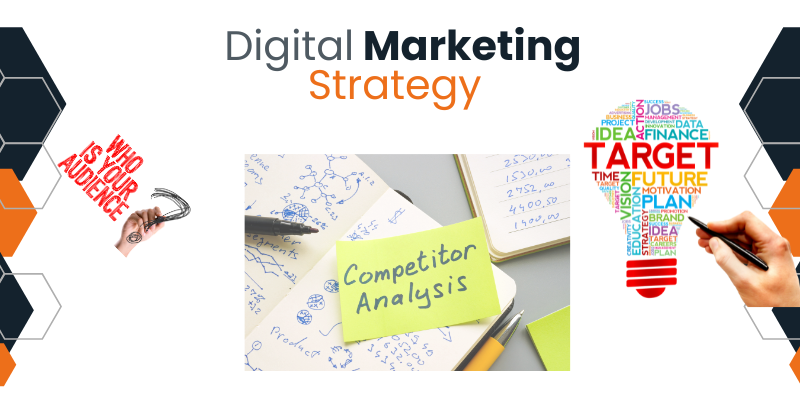
Creating a digital marketing strategy helps businesses plan their online growth step by step. It gives direction, sets clear targets, and ensures every effort works toward the same goal. A good strategy makes your marketing more effective and saves both time and money.
The first step is understanding what you want to achieve. That’s where defining your goals becomes important.
Defining Your Goals
Set clear goals such as more website traffic, brand awareness, or higher sales. Goals give direction to your marketing plan.
Identifying the Target Audience
Understand your audience by studying age, location, and behavior. Segmentation helps in targeting the right people with the right message.
Competitor Analysis in Online Marketing
Look at what competitors are doing. Analyzing their content, ads, and engagement helps identify opportunities to stand out.
Choosing the Best Digital Marketing Channels
Not all channels fit every business. Pick the right ones depending on your budget, resources, and audience.
Setting a Budget for Internet Marketing
Decide how much to spend and where to spend it. Smart budget allocation ensures better results.
Creating and Promoting Content
A strong content strategy includes blogs, videos, and posts that connect with people. Promotion ensures your content reaches the right audience.
Measuring and Improving Results
Track results using analytics. Monitoring and adjusting your campaigns improves performance over time.
Digital Marketing vs. Other Marketing Approaches
Digital marketing uses the internet to reach people quickly and more directly, often at a lower cost. Unlike traditional methods like TV, radio, or print ads, it lets businesses track results in real time and connect with the right audience more personally.
Online Marketing vs. Digital Marketing (Key Differences)
Many people use these terms interchangeably, but there’s a difference. Digital marketing includes all online and offline digital channels (like SMS marketing), while online marketing is limited to internet-based strategies.
Inbound Marketing vs. Digital Marketing
Inbound marketing is about attracting customers with helpful content. Digital marketing covers both inbound and outbound approaches, such as ads.
B2B Digital Marketing vs. B2C Digital Marketing
B2B focuses on businesses, with longer decision-making timelines and detailed content. B2C focuses on individuals, with emotional and quick purchase decisions.
Marketing Digital Online vs. Traditional Marketing
Online digital Marketing gives better reach, lower cost, and measurable results compared to traditional methods like print and TV.
Benefits and Challenges of Digital Marketing
Digital marketing makes it easier to reach the right audience, measure results, and adjust campaigns quickly. However, it also comes with challenges like tough competition, constant changes in trends, and the need to create fresh, engaging content.
Benefits of Online Digital Marketing
It offers customer engagement, global reach, cost-effectiveness, instant feedback, and higher conversions.
Challenges of Internet Marketing
High competition, content overload, and privacy concerns are common challenges. Staying consistent and relevant is not always easy.
How to Overcome Common Problems
Automation, personalization, and better communication tools help overcome these challenges.
Top Digital Marketing Skills for 2025
Some of the top digital marketing skills for 2025 include content creation, SEO, and social media management. Skills in data analytics, AI tools, and video marketing are also becoming more important to stay ahead in the digital space. Here are some of the most important digital marketing skills.
SEO and Analytics
Understanding SEO and analytics helps businesses make data-driven decisions.
Content Creation and Copywriting
Good copywriting and storytelling connect with audiences on a deeper level.
Social Media and Community Building
Strong social media skills improve engagement and community trust.
PPC and Paid Advertising
Learning PPC targeting ensures better ad performance.
Email Marketing Automation
Email automation saves time and builds personalized communication.
Video and Mobile Marketing
Video skills and mobile-first strategies are essential, as most traffic comes from smart devices.
Career Opportunities in Digital Marketing
Digital marketing offers a wide range of career opportunities, such as social media manager, SEO specialist, content creator, and digital advertising expert. With businesses moving online, skilled digital marketers are in high demand across industries.
Why Choose a Career in Internet Marketing
Digital marketing careers offer high salaries, career growth, and countless opportunities across industries.
Digital Marketing Roles and Responsibilities
Roles include SEO specialist, content manager, PPC expert, social media manager, and email marketing specialist.
Salary and Growth Trends in Online Marketing
Salaries and demand for digital marketers are rising, with steady growth trends expected in the future.
The Future of Digital Marketing
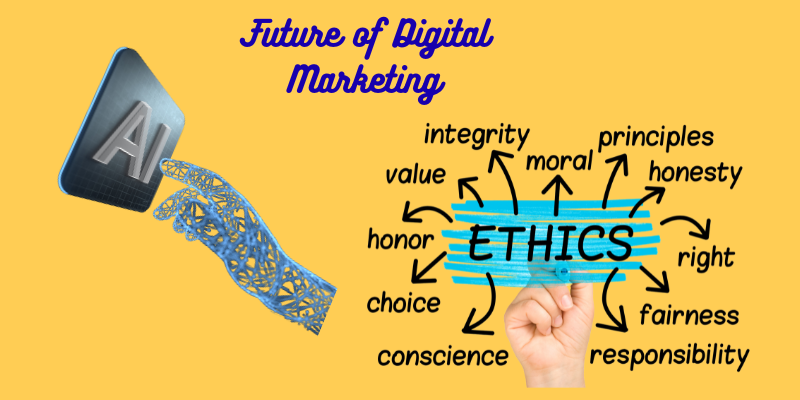
AI, automation, and the personalized customer experience will be the future of digital marketing. Brands will focus more on video content, voice search, and data-driven strategies to connect with audiences in smarter and more engaging ways.
Artificial Intelligence and Machine Learning
AI and machine learning bring hyper-targeting, smarter ads, and automation.
Smart Devices and Voice Search
Smart devices and conversational AI are changing how people search and shop.
Sustainable and Ethical Marketing
Sustainability and transparency will define ethical marketing in the future.
Predictions for the Next 5 Years
Digital marketing will continue to evolve with realistic technologies and smarter personalization.
FAQs About Digital Marketing
Digital marketing means using the internet and other digital tools to promote a product or service. It covers channels like search engines, social media, email, and apps. It helps businesses reach people online rather than only through print or TV.
Digital marketing helps businesses reach many people quickly and often at a lower cost. It connects brands directly with customers through digital channels. It also provides data so businesses can measure results and adjust their strategy.
Traditional marketing uses channels like print, TV, or radio, while digital marketing uses online and digital tech. Digital marketing allows two-way interaction (brands and customers) and tracks results more precisely. Also, it often offers more flexibility and speed in making changes.
You need to understand how online channels work (like social media and search engines), know how to use data and analytics, and have good content and communication skills. You should also be able to adapt quickly because digital tools and trends change fast.
Conclusion
Digital marketing is the future of how businesses communicate, connect, and grow. It gives brands the chance to reach people anytime, anywhere, and in ways that feel more personal and engaging. Those who embrace it will have more opportunities to build strong relationships with their audience.
Businesses that use online marketing wisely and adapt quickly to changes will always stay ahead of their competitors. The digital world moves fast, and being flexible is the key to long-term success.


- Be Respectful
- Stay Relevant
- Stay Positive
- True Feedback
- Encourage Discussion
- Avoid Spamming
- No Fake News
- Don't Copy-Paste
- No Personal Attacks
- Be Respectful
- Stay Relevant
- Stay Positive
- True Feedback
- Encourage Discussion
- Avoid Spamming
- No Fake News
- Don't Copy-Paste
- No Personal Attacks
