Social Media Marketing – Complete Beginner Guide
Published: 22 Jan 2026
Many people feel confused when social media does not bring results. You may post often but still see low replies and weak engagement. This guide will walk you through what really matters and what to ignore. We will cover what is social media marketing and how it supports online presence in a simple way. You will also see how engagement, content marketing, and digital ads connect in real life.
What Is Social Media Marketing?
Social media marketing refers to using social platforms to help a business grow online. It stands for a way brands connect with people where they spend time daily. It focuses on building real connection through posts, comments, and messages. It also supports interaction that helps brands talk with users, not just sell to them.
This method uses customer data to understand what people like and how they react. It studies audience behavior to improve future posts and offers. With the passage of time, it helps to develop a brand identity that people can recognize and trust. If you are new, start with this simple post: What Is Social Media Marketing? Simple Explanation.
How to Start Social Media Marketing as a Beginner
Starting social media marketing does not need special skills or big money. You just need clear steps.First, create business profiles on one or two platforms only. Do not start everywhere at once.
Complete your profile properly:
- Add your logo or clear photo
- Write a short and honest bio
- Add your website link
- Fill contact details
Next, watch how others post in your niche. This helps you understand what type of content people like.
Start posting simple content:
- Introduce your business
- Share helpful tips
- Post images or short videos
- Talk about your products or services
Why Social Media Marketing Matters Today
People spend hours on social media daily. This is where brands get real attention. Social media helps build strong brand awareness by showing up often in front of the right people.
It also supports community building. Brands can talk, reply, and listen to their audience in one place. This creates trust and real bonds.
Social media improves online visibility. Even small brands can stand out with the right posts and timing. It keeps your business easy to find.
It also helps with customer retention. Posting often and replying on time shows people they matter. This care builds trust and keeps them coming back.
How Social Media Marketing Works Step by Step
Many people post on social media but do not see results. That happens when there is no clear process. Social media marketing works step by step and focuses on people, not just posts.
- First, brands choose the right audience using targeting options like age, location, and interests.
- Then they create personalized content that fits what people like and need.
- Posts go live on selected platforms where the audience stays active.
- People react through likes, comments, and shares. This shows real engagement.
- Brands check platform insights to see what works and what fails.
- They review campaign performance to improve future posts and results.
This simple flow helps brands grow faster and connect better with real people. For a clear process from start to finish, see How Social Media Marketing Works Step by Step.
Core Elements of Social Media Marketing
Social media marketing helps brands connect with people in real time. It builds engagement through shareable content and social interactions. It also helps brands match audience interests with the right message.
Content Creation
Content keeps people active and interested. Good content feels real and easy to enjoy.
- Short form content for quick attention
- Long form content for deeper value
- Storytelling and visual storytelling to share brand stories
- Tutorials that solve daily problems
Audience Interaction
Interaction turns viewers into active followers. It creates strong engagement and trust.
- Real time feedback from posts and stories
- Direct communication through messages
- Conversations in comments
- Reactions that show what people like
Community Building
A strong community grows with care and time. It keeps people coming back.
- Brand loyalty through honest posts
- Trust built with clear values
- Shared interests that connect people
- Ongoing engagement through regular social interactions
Messaging Strategy
A clear message helps people remember your brand. It keeps content focused and useful.
- A friendly tone that fits your audience
- Consistency across all platforms
- Personalized messaging based on audience interests
- Content planning to stay organized
Advantages and Disadvantages of Social Media Marketing
In this section, we will look at the pros and cons. Social media marketing helps brands grow and connect with people. It also comes with a few clear challenges.
Benefits of Social Media Marketing
These benefits show how social media supports growth and engagement.
- Builds strong brand awareness through daily posts
- Improves conversions by reaching ready buyers
- Drives website traffic from shared links
- Offers cost effective reach for small and large brands
- Supports customer loyalty with regular interaction
To understand real results, read Benefits of Social Media Marketing for Business.
Challenges of Social Media Marketing
These limits can affect results and planning.
- Faces negative feedback that spreads fast
- Suffers from algorithm changes that reduce visibility
- Has unpredictable reach for posts
- Depends heavily on data driven decisions for success
Common Social Media Marketing Goals for Beginners
Goals give direction to your effort. Without goals, posting feels confusing.
Here are simple goals beginners should focus on:
- Brand awareness: Help people know your business exists.
- Audience engagement: Get likes, comments, and replies on posts.
- Website traffic: Bring visitors to your site through shared links.
- Lead generation: Encourage people to contact you or sign up.
- Sales support: Support buying decisions through trust and content.
Social Media Marketing Strategy
An exact strategy allows brands to stay focused and active online. It shows content, timing, and social interactions. It also helps with better engagement and results.
Set Clear Goals
Objectives provide direction and a goal to every post. They help teams measure success.
- Set engagement targets to increase likes and comments.
- Focus on conversions that support sales.
- Define goals to grow visibility.
Understand Your Audience
Knowing people helps you post the right content. It improves shareable content and trust.
- Analysis demographics like age and location
- Review psychographics such as interests and values.
- Watch audience behavior to see what works.
Choose the Right Platforms
Each forum acts on a different audience. The right option saves time and effort.
- Use platform insights to guide decisions.
- Match platforms with audience preferences
Build a Content Plan
Planning keeps posting simple and organized. It supports steady engagement.
- Create a content calendar for clarity.
- Plan themes that match audience interests.
- Prepare posts in advance.
Create Engaging Posts
Good posts stop people from scrolling. They invite social interactions.
- Use sticky content that holds attention.
- Share shareable content people enjoy
- Add visual hooks like images or short clips.
Maintain Consistent Branding
Consistency helps people recognize your brand fast. It builds trust over time.
- Keep a clear brand identity.
- Follow tone consistency in every post.
Plan Publishing Schedules
Timing affects how many people see your posts. A plan keeps delivery smooth.
- Use scheduling tools for control.
- Pick the best timing for posting.
- Manage content delivery across platforms.
Track Results and Improve
Tracking shows what works and what needs to change. It supports better decisions.
- Check analytics to review results.
- Use metrics tracking for engagement.
- Study performance insights to improve content
How Often Should Beginners Post on Social Media
Many beginners worry about posting too much or too little. The truth is simple: consistency matters more than quantity.
General posting guidance:
- Post when you can stay consistent
- Quality content is better than daily weak posts
- Do not force posting every day
| Alert! |
|---|
|
If you feel tired or confused, slow down. Posting less with clear value works better than random updates. |
Best Practices for Social Media Marketing
In this section, we cover simple ways to improve results on social platforms. These practices help brands stay active and relevant. They also support better engagement and trust.
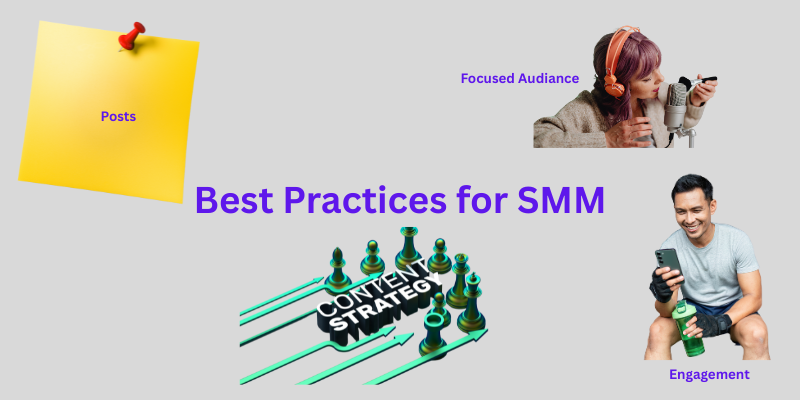
- Post regularly to keep engagement strong.
- Use engagement tactics like questions and polls.
- Share content variety, such as images, videos, and tips.
- Focus on audience interests when planning posts.
- Respond quickly to comments and messages.
- Practice social listening to understand feedback.
- Keep a clear and friendly brand voice.
- Check post results and improve future content.
Social Media Marketing Tools
In this section, we cover tools that make daily work easier. These tools help manage posts, track results, and follow audience activity. They support better planning and clear decisions.
- Analytics tools help track likes, clicks, and audience actions.
- Scheduling tools help plan posts ahead of time.
- Listening tools help monitor brand mentions and feedback.
- Content planning tools help organize ideas and posting dates.
- Reporting tools help review progress and results.
- Team tools help manage tasks and approvals.
- Engagement tools help reply to comments and messages faster.
Top Social Media Platforms for Businesses
Not every social media platform works the same way. Each one serves a different audience and purpose. Businesses should choose platforms based on where their audience spends time and how they consume content.
Some platforms work best for visuals, while others focus on conversation or learning. A small business does not need to be active everywhere. Starting with one or two platforms is enough.
Here is a simple overview of popular platforms for businesses:
- Instagram works well for visual content like images, short videos, and stories. It helps brands show lifestyle, products, and behind-the-scenes moments.
- Facebook supports community building, conversations, and updates. It is useful for reaching a broad age group and staying connected with customers.
- TikTok focuses on short videos and trends. It helps brands gain attention through creative and engaging content.
- YouTube is best for longer videos such as tutorials, guides, and explanations. It helps build trust through detailed content.
- Pinterest supports ideas, inspiration, and product discovery. It works well for driving traffic to websites.
Paid Social Media Advertising
Paid social media advertising helps businesses reach people faster. You pay to show ads to users who match your goals. This can include age, location, or interests through clear targeting options. Many brands use it to boost posts, promote offers, or bring traffic to a website. To see the difference between free and paid methods, read Organic vs Paid Social Media Marketing.
You can control your budget and track results easily. Cost per click shows how much you pay when someone clicks your ad. Performance tracking guides you to check what is working well and what needs to change. With small tests and smart choices, paid ads can support real growth.
Building a Community With Social Media
Making a community on social media platforms starts with trust. People follow brands that feel real and honest. Regular posts, clear replies, and kind words help increase engagement. When people feel heard, they stay connected.
Strong communities grow around shared interests. Brands should post content that matches what their audience cares about. Simple questions and open replies invite conversation. Over time, this steady interaction turns followers into loyal supporters.
“Social media is about sociology and psychology more than technology.” Brian Solis
Social Media Content Ideas
Good content keeps people interested and active. Tutorials work well because they solve simple problems. Memes add humor and make posts easy to share. Visuals like photos and short clips stop users while scrolling.
Storytelling helps brands feel more human. Share real moments, small wins, or customer stories. Mix visuals with short stories to keep posts fresh. This balance helps build interest and stronger connections.
Analytics in Social Media Marketing
Analytics helps brands understand what works and what does not. It turns data analysis into clear actions. It also uses metrics tracking and platform insights to guide better posts.
Key Metrics
Metrics show how people react to your content. They explain audience response in a simple way.
- Engagement shows likes, comments, and shares
- Impressions show how often content appears
- Reach shows how many people see a post
- Conversions show actions like sign ups or sales
Performance Tracking
Tracking helps brands check results over time. It keeps campaigns on the right path.
- Analytics tools collect post and ad data
- Campaign insights show strong and weak areas
Improving Campaigns
Improvement comes from small and clear changes. Data helps guide each step.
- Optimization improves posts based on results
- Split testing compares two content ideas
- Data driven changes help increase engagement and conversions
Social Media Marketing Trends
Social media trends change fast, and brands must keep up. Viral marketing still drives attention when content feels real and timely. Audience shifts also shape what works, especially as users move between platforms. Watching these changes helps brands stay visible.
New formats keep feeds fresh and active. Short videos, live posts, and visual stories get more engagement today. Brands that test new formats often connect better with users. Small updates can lead to strong results over time.
How Long Does Social Media Marketing Take to Show Results
Social media marketing does not give instant results. It grows step by step.
Here is what beginners should expect:
- First phase: learning and testing content
- Middle phase: better engagement and replies
- Long term: trust, visibility, and steady growth
Results depend on:
- Posting quality
- Audience response
- Consistency
- Clear goals
Common Mistakes in Social Media Marketing
In this section, we cover mistakes that affect results and growth. These issues can reduce engagement and trust. Avoiding them helps keep your strategy clear and strong.
- Inconsistent posting that breaks audience interest
- Unclear goals that confuse content direction
- Ignoring feedback from comments and messages
- Poor audience understanding that leads to weak content
- Same content style used on every platform
- No performance review for updates and improvement
Social Media Marketing for Small Businesses
Social media marketing works well for small businesses with limited budgets. It offers cost effective reach without heavy spending. A local shop can post daily updates and offers to stay visible. This helps bring nearby customers closer.
Strong community engagement matters most for small brands. Replying to comments and messages builds trust fast. Simple posts and honest stories feel more real. Over time, this support turns followers into loyal buyers.
Examples of Social Media Marketing Strategies
In this section, we cover real and simple strategy ideas.These examples show how brands connect with people.They focus on trust, engagement, and clear goals.
- User generated content that features real customers and reviews
- Influencer collaborations that reach new and relevant audiences
- Storytelling campaigns that share brand values and real stories
- Giveaways and contests that increase interaction
- Behind the scenes posts that show daily brand life
- Customer support posts that answer common questions
Final Thoughts
In this guide, we covered social media marketing from basics to real strategies. We talked about content, platforms, tools, trends, mistakes, and examples. All these parts show the overall impact social media marketing has on growth and connection.
From my experience, focus on people first, not just posts. Clear goals, honest content, and regular interaction bring long term value. Keep things simple, stay active, and listen to your audience. Alright guys and folks, stay tuned for more helpful tips.
FAQs: What Is Social Media Marketing
Social media marketing means using social platforms to promote a brand. Businesses share posts, videos, and updates to reach people. It helps build trust and increase engagement. It also supports sales and brand growth.
It helps businesses connect with customers directly. Brands can share updates and offers in real time.It improves visibility without high costs.Small and large businesses both benefit from it.
Brands create content and share it on social platforms. People react through likes, comments, and shares.This interaction helps spread the message. Results improve with clear goals and regular posting.
Examples include brand posts, short videos, and customer stories.Businesses also run ads and share updates.Influencer posts help reach new people.Replies and comments build stronger connections.
Social media marketing can be free or paid.Free methods include regular posts and replies.Paid ads help reach more people faster .Many brands use both together for better results.


- Be Respectful
- Stay Relevant
- Stay Positive
- True Feedback
- Encourage Discussion
- Avoid Spamming
- No Fake News
- Don't Copy-Paste
- No Personal Attacks
- Be Respectful
- Stay Relevant
- Stay Positive
- True Feedback
- Encourage Discussion
- Avoid Spamming
- No Fake News
- Don't Copy-Paste
- No Personal Attacks
