Digital Marketing Process: Understand How It Really Works
Published: 26 Nov 2025
Feeling lost about how the whole digital marketing process fits together? It often feels confusing when you try to link the marketing process with real business growth and better brand visibility.
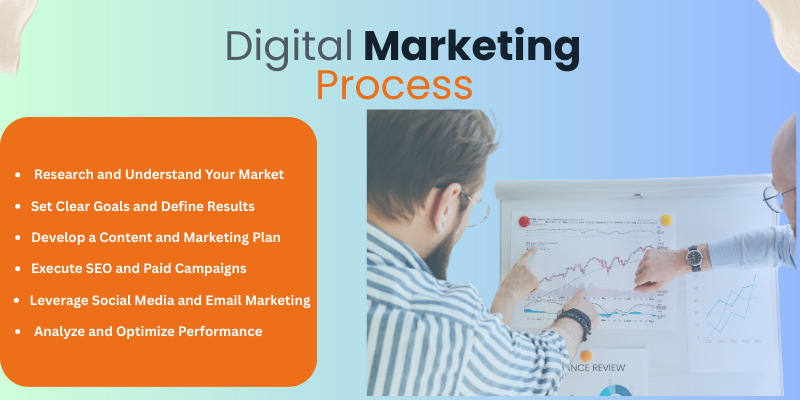
In this guide, we will walk through each step. You will see how a strong digital strategy helps you make wise choices and support process optimization. Every part will help you understand how to move your business forward without stress.
By the end, you will feel clear about what to do next and how each step works together to support your goals.
What Is the Digital Marketing Process?
The digital marketing process explains the core concept of how a brand moves through each stage of the marketing cycle. It follows the path of the customer journey and shows how people move from first contact to final action. Each step stays simple and supports the next one. Strong strategic planning keeps the work clear and steady.
This process helps a team build a clean online strategy. It shows where to place messages and how to keep them uniform. Small steps make the plan easy to follow and revise. When the flow remains smooth, a business connects with the right people and grows with confidence.
How the Digital Marketing Process Works
The digital marketing process moves in clear phases that guide each task. You start with simple workflow steps that show what to do first and what to do next. These steps keep the work neat and easy to pursue. Each step gives a clear goal, so the team remains focused from start to end.
The process also needs smooth cross-channel coordination. All platforms work together, so the message stays the same everywhere. Good use of time and tools helps with resource allocation and avoids waste. This ongoing flow makes the whole process stronger and helps a business reach the right people at the right moment.
Now we look at the main steps in the digital marketing process.
Step 1 – Research and Understand Your Market
You begin with basic market research to see what people look for. This helps with audience understanding and shows what matters to them. A short business analysis gives a clear view of your own position. You also check other brands through simple competitive analysis. Small bits of data analysis guide your next move and keep the plan going.
Learn About the Business
You start by knowing the business goals so the direction stays clear. This helps you shape product positioning in a simple and steady way. A clear value proposition shows what makes the product helpful. You also check the main business objectives to see how each step supports growth.
- Know the goals the business wants to reach
- Set the right position for the product
- Shape a clear value message for customers
Know Your Audience
You start with audience segmentation to place people into simple groups. This helps with target audience identification and shows who will connect with your message. You also build user personas to understand their needs and interests. A bit of behavior analysis shows how they act on different platforms.
- Group your audience into clear segments.
- Identify the people who match your message.
- Create simple user personas for better planning.
Understand the Product
You begin by knowing the main product features and what they offer. This helps with simple benefits mapping so you can show why the product is useful. You also check different use cases to see where people can apply it in real life. All these points help you judge the product fit for the right audience.
- List the key features.
- Map the benefits in simple words.
- Note the main use cases for customers.
Check Out the Competition
You start with simple competitor benchmarking to see how other brands work. This helps you spot areas through gap analysis where you can do better. You also watch market trends to see what people follow right now. All this makes it easier to find clear positioning opportunities for your brand.
- Compare your brand with other competitors.
- Look for gaps you can fill.
- Track current trends in the market.
Step 2 – Set Clear Goals and Define KPIs
You start with simple goal setting so you know exactly what you want to reach. Then you choose key performance indicators that show your progress clearly. These measurable objectives help you stay focused on the right actions. Each goal also keeps good alignment with business vision. This makes your work clear and easy to track.
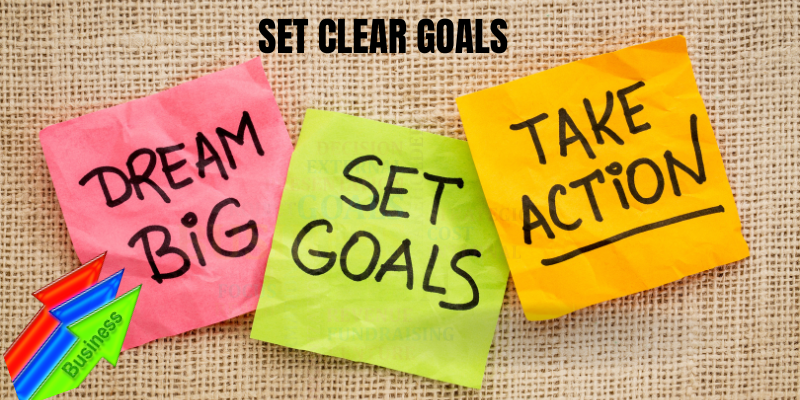
Establishing measurable objectives
Establishing measurable objectives helps you stay focused and track real progress. You can use SMART goals to set clear targets for your work. Add conversion targets and performance benchmarks to see what improves over time. These steps make your outcome definitions easy to understand and follow.
- Set SMART goals that match your main plan.
- Add conversion targets to measure real actions from users.
- Use performance benchmarks to check your progress often.
Align Goals with Business Vision
You start with strategic alignment to make sure every goal supports the main vision of the business. Simple roadmap planning helps you place each task in the right order. Clear priority setting and success criteria show what matters most.
- Match each goal with the business vision.
- Plan a clear roadmap for upcoming tasks.
- Set simple priorities for the team.
- Define success criteria in easy words.
Step 3 – Develop a Content and Marketing Plan
A good content and marketing plan starts with clear content creation that matches your business goals. You need a simple content strategy that shows what you will post and why it is important. Add creative development to make ideas fresh and helpful for your audience. Also, include communication planning so your message reaches people at the right time. With the right content distribution, more people will see and enjoy your work.
Create a Detailed Strategy
You begin by setting an editorial calendar that shows what to post and when. A simple messaging framework helps you keep the voice clear across all platforms. You then build a campaign blueprint and a clean channel plan to guide each action.
- Prepare an editorial calendar.
- Set a clear messaging framework.
- Build a basic campaign blueprint.
- Create a simple channel plan.
Build and Strengthen Your Online Presence
You start by checking website readiness so visitors get a smooth experience. Then you set up clean social profiles that match your brand voice. Simple content hubs and clear audience touchpoints help people reach you with ease.
- Make sure your website is ready for visitors.
- Set up strong social profiles.
- Build simple content hubs.
- Create easy touchpoints for your audience.
Step 4 – Execute SEO and Paid Campaigns
With the help of SEO, websites rank higher in search engines and bring more visitors to your webpages. A strong paid advertising strategy can support this by getting quick traffic. Good campaign management keeps everything on track and within your budget. Use audience targeting to show ads to the right people who may buy from you. Regular checks help you fix what is not working and get better results.
Optimize for Search Engines (implementation concept)
You start with simple visibility planning to assist people in finding your pages with ease. Then you use a clear content optimization approach that keeps each page clear and useful. You also check technical readiness and handle indexing considerations so search engines can read your site without issues.
- Plan for better online visibility.
- Use a clean content optimization approach.
- Check the technical side of your site.
- Make sure your pages can be indexed properly.
Use Paid Ads (conceptual)
Set up a simple ad campaign, describing what you want to promote. Create a clear targeting strategy to reach the right people at the right time. Allocate your budget and run creative tests to identify which ad performs best.
- Outline your campaign objective.
- Develop a precise targeting strategy.
- Allocate your budget strategically.
- Test multiple ad variations to determine top performance.
Step 5 – Leverage Social Media and Email Marketing
Social engagement helps people talk about your brand and stay connected. Share useful posts to boost audience interaction and build trust. You can set simple email steps that guide people to take action. These nurture flows keep your audience warm and interested in your offers. Strong relationship building leads to loyal customers who come back again.

Engage Your Audience on Social Media
You start with simple community building so people feel close to your brand. Then you use social content planning to keep your posts clear and regular. Good engagement tactics help you talk with people in a friendly way. A bit of conversation monitoring shows what your audience likes and what they ignore.
- Build a warm and active community.
- Plan your social content in a simple way.
- Use clear tactics to boost engagement.
Automate and Personalize Email Campaigns
Begin with a simple segmentation strategy so you send the right message to the right group. Next, use drip sequences to guide people from one step to the next. By integrating a clear personalization approach, each email feels more useful. Finally, shape lifecycle messaging so people receive the right message at the right time.
- Use a clear segmentation strategy.
- Set up simple drip sequences.
- Apply a clean personalization approach.
Step 6 – Analyze and Optimize Performance
Performance tracking is used to check what is working well and what needs to be improved. Analytic insights tell the owners how the visitors react to your ads and content. Results make it easy to check the progress report toward your goals. Campaign evaluation highlights strong points and weak areas. Data-driven decisions help you make smart changes for better growth.
Track and Measure Campaign Results
You begin with simple metric collection to gather the numbers that matter. Then you move to an analytics review to see how each action performs. A clear reporting cadence helps you check progress on a regular basis. Trend identification shows what is rising, falling, or changing in audience behavior.
- Collect the key metrics.
- Review your data with simple analytics.
- Keep a regular reporting cadence.
Compare Results with Goals
You begin with simple performance benchmarking to see how your results match your targets. Then you use variance analysis to check what went higher or lower than expected. A clear success assessment helps you understand the impact of your work. A short KPI review shows which numbers need more attention.
- Compare results through benchmarking.
- Study the gaps with variance analysis.
- Review key KPIs to measure success.
Refine Your Strategy for Better Outcomes
You begin with simple process refinement to fix small gaps in your plan. Then you use iterative testing to check what works best in real situations. An easy optimization cycle helps you shape each step for clearer results. This brings continuous improvement and keeps your strategy strong.
- Refine your process in small steps.
- Test your ideas in short cycles.
- Shape your plan through continuous improvement.
FAQs
It depends on several factors such as type of campaign, budget, and audience behaviour. Often you may see small improvements in weeks. Bigger results like strong traffic or conversions may take a few months. It helps to track your progress with benchmarks and conversion targets.
You can track metrics such as website traffic, leads, and conversions. These act as performance benchmarks to check if conversion targets are met. Clear metrics help you know if your SMART goals are working well.
You can start with one channel like social media or email. But a full digital marketing process covers multiple channels to reach more people. A simple plan with clear outcome definitions and strategic refinement often gives better results.
Yes. Digital marketing helps a small business reach many people online and build brand visibility. It helps create leads and conversions, showing real growth. Over time, with process optimization and good performance tracking, it can support long-term growth.
Final Thought
So guys, in this article, we’ve covered the digital marketing process in detail. It’s more than just a plan; it’s an ongoing journey of continuous learning and strategic refinement. When you focus on what connects with your audience, you build stronger relationships and set the stage for long-term growth.
My advice is simple: stay curious and keep improving. Follow an improvement loop, test new ideas, and update your strategy based on performance feedback. Small, consistent steps lead to sustained outcomes and real digital success over time.



- Be Respectful
- Stay Relevant
- Stay Positive
- True Feedback
- Encourage Discussion
- Avoid Spamming
- No Fake News
- Don't Copy-Paste
- No Personal Attacks
- Be Respectful
- Stay Relevant
- Stay Positive
- True Feedback
- Encourage Discussion
- Avoid Spamming
- No Fake News
- Don't Copy-Paste
- No Personal Attacks
