Digital Marketing Strategies to Boost Your Online Growth
Published: 19 Nov 2025
It’s easy to feel lost when every platform pulls your attention in a different way. But relax, folks, because this guide will keep things simple and clear. We will walk through digital marketing strategies and show how digital marketing supports your marketing goals, brand awareness, and business growth.
You will also see how a strong marketing strategy shapes the customer journey and how online marketing uses digital channels to move people toward your brand. We will touch on performance metrics and the role of a data-driven strategy so you know exactly what this guide will cover.
Understanding the Core of a Digital Marketing Strategy
This topic looks complex at first because it links many moving parts together. But once you see how each step works, the whole picture becomes clear and simple.
A solid plan starts with strategic planning inside a clean digital framework. You focus on goal alignment, build strong brand positioning, and shape a value proposition that speaks to your audience. Each step supports your business objectives and guides people through the marketing funnel in a smooth way.
What Is a Digital Marketing Strategy?
A digital marketing strategy gives your brand a simple plan to follow. It helps you focus on long-term planning. You set clear digital objectives that match your business alignment. You use a basic marketing framework to guide each action. You also check performance measurement to stay on track.
- Clear goals that match your business
- Strong customer targeting
- Simple checks for performance measurement
The Difference Between Strategy, Campaigns, and Tactics
A strategy gives you the big picture and guides your long-term direction. It comes from strategic planning and sets your performance goals. Campaigns are short projects that follow the main plan and focus on one clear aim. Tactics are small actions you take during marketing execution. You check performance measures to see how each part performs.
- Clear difference between planning and action
- Simple steps for campaign management
- Steady checks with KPI tracking
Key Components of a Successful Digital Marketing Plan
Every effective plan contains core elements that guide decisions and measure success. These elements form the backbone of your overall marketing framework.
- Clearly defined goals and target audience profiles.
- Chosen digital channels suited to your business and industry.
- Content strategy that educates and engages users.
- Budget and timeline management for consistent execution.
- Data tracking and analytics for performance optimization.
How Digital Marketing Aligns with Overall Business Goals
A successful strategy supports not just marketing outcomes but total business growth. When aligned properly, it drives revenue, builds loyalty, and enhances brand value.
- Connects marketing efforts with sales and customer retention.
- Ensures consistency across departments and messaging.
- Strengthens brand identity and market positioning.
Building a High-Performance Digital Marketing Strategy
Building a high-performance digital marketing strategy starts with simple market research. You study audience insights to see what people need and how they act. You use data-driven decisions to guide each step with clarity. Then you shape a clean marketing plan that fits your goals. A steady execution framework helps you turn each idea into real action.
Step 1: Define SMART Goals and Objectives
SMART goals help you stay clear and focused. You set targets that are simple, firm, and easy to measure. You check progress using performance measures, conversion goals, and lead targets. This gives you a clean view of your performance metrics and helps you reach measurable outcomes.
- Clear goals based on the SMART framework
- Targets supported by results, conversion goals, and lead targets
- Easy tracking through numbers that matter.
Step 2: Identify and Understand Your Target Audience
You need to know who you are talking to before you start any marketing task. Audience groups help you divide people into clear sections.
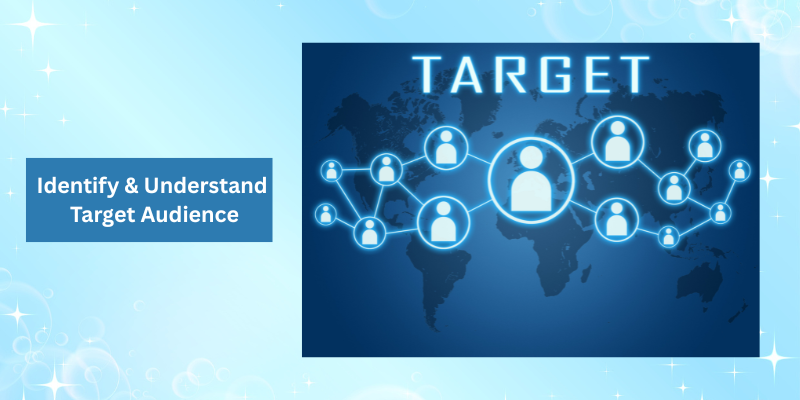
Customer profiling shows what they like, how they think, and how they act. Market demographics and psychographics make it easy to see age, interests, and lifestyle. This simple view helps you use better behavioral targeting.
- Divide people with easy audience groups
- Build clear customer profiles
- Check market demographics like age and location
- Understand psychographics and simple behavior patterns
Step 3: Create Buyer Personas with Real Data
A buyer persona is a simple picture of your ideal customer. You create it by using real data, so it matches customer needs. This helps you understand your audience better and make your marketing more personal.
- Use data analysis to find real audience insights.
- Examine your customer’s need to shape buyer personas.
- Add personal details to improve personalization in your marketing.
Step 4: Conduct Competitor and Market Analysis
You study your competitors to see what they do well and where they are weak. This simple competitor research helps you understand market trends and produce new chances. You can use a basic SWOT analysis to check strengths, gaps, and risks. Benchmarking also gives you clear industry insights, so you know how your brand compares.
- Simple checks through competitor research
- Clear view of market trends and industry insights
- Easy comparison with basic SWOT analysis and benchmarking
Step 5: Choose the Right Digital Channels for Your Business
You need the right places to share your message so your brand reaches the right people. You can use SEO, paid media, and social platforms to bring steady traffic. Content marketing, video marketing, and influencer collaboration help you connect in a simple and friendly way. Mobile optimization keeps your message clear for users on phones.
- Use SEO and paid media for steady reach
- Share content on social platforms with simple content marketing
- Improve user experience with video marketing, influencer collaboration, and mobile optimization
Step 6: Allocate Budget and Resources Effectively
A clear marketing budget helps you control your costs and plan simple steps. You check results, planning to see where your money works best. You also use resource allocation and financial forecasting to keep your media spend steady and smart.
- Set a clean marketing budget
- Plan media spend with care
- Use performance measures to check what works
- Keep future steps clear with financial forecasting
Step 7: Develop a Content and Campaign Calendar
A simple calendar helps you plan your work in an easy way. You use editorial planning and content scheduling to stay organized. Campaign management becomes smoother when you follow clear dates and seasonal marketing periods.
- Set clear steps for editorial planning
- Use content scheduling to keep posts on time
- Manage campaigns with a simple plan
- Adjust ideas based on seasonal marketing needs
Step 8: Set Results and Tracking Metrics for Success
You need clear key metrics to check how well your work is going. Conversion tracking and a simple analytics dashboard help you see results in real time. Performance reporting and attribution modeling show which steps bring the best outputs.
- Track progress with easy key metrics
- Use conversion tracking and an analytics dashboard
- Check what works through simple performance reporting and attribution modeling
Introduction to Digital Marketing
Many people feel confused when they try to build an online presence in a busy digital environment. Things move fast, and it becomes hard to understand how people react across different digital touchpoints. But this guide will keep everything simple and clear, so you stay confident from the start.
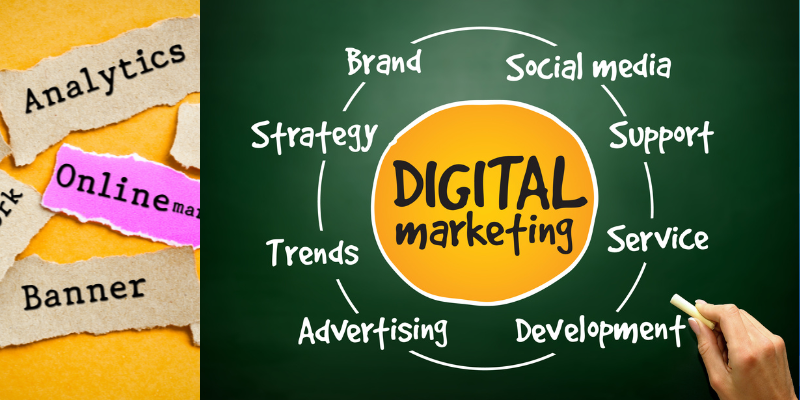
We will walk through digital communication, customer behavior, and the way marketing evolution shaped today’s online visibility. You will also see how engagement and lead generation grow when you use the right steps in the right place. Plus, we will touch on web analytics so you understand how each action supports your goals.
What Is Digital Marketing?
Some readers get mixed up when they hear different terms for online communication and online interaction. Things look complex when you see ads, posts, and messages moving across many digital channels. But this section will keep everything simple, so you feel clear about what we are talking about.
Digital marketing uses tools like online advertising and inbound marketing to guide people toward your brand. It helps you raise brand awareness, build reach, and improve your engagement rate. When you use the right steps, you bring steady web traffic and create more conversions. Everything works together to support your goals and make your message easier to follow.
Why Digital Marketing Matters in 2026
Many people feel confused when they see how fast digital transformation keeps changing the online world. New tools, new habits, and new platforms can make the whole space feel crowded. But this section will keep things simple and show why these shifts matter for your brand in 2026.
Digital marketing helps you reach a global audience with smart steps that improve user experience and support cost efficiency. You can use data analytics to shape personalization and guide people through each stage with ease. You also gain expansion because marketing technology grows with your needs. Even AI marketing and other tech-led trends play a big role by improving speed, clarity, and results. All these parts work together to keep your brand strong in a changing world.
How Digital Marketing Has Evolved Over Time
Many people feel confused when they look at the long digital revolution and see how fast things shifted. New tools and changing habits made the whole space move in a new direction.
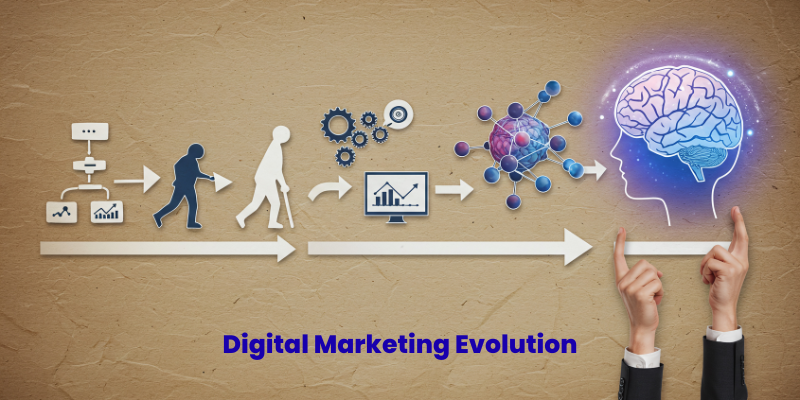
Digital marketing grew with mobile-first marketing, social media evolution, and search engine evolution. These changes shaped consumer behavior, pushed a strong content revolution, and increased the need for data privacy. You also see more AI integration and marketing innovation, which guide faster actions and better results.
The Essential Channels of Digital Marketing
Digital marketing uses a simple mix of channels that work together to support your goals. You pick the right parts of the marketing mix to guide customer acquisition and steady growth.
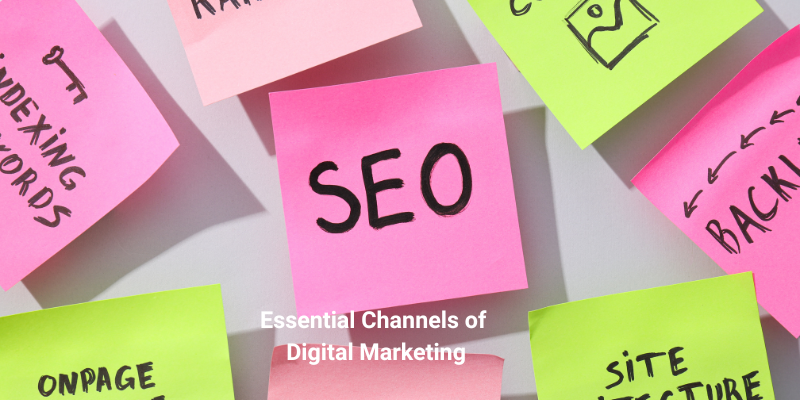
Each channel plays a clear role in your engagement strategy. When these channels work as integrated channels, your message reaches people in a smooth way. This makes your plan easy to follow and helps your brand stay strong. Here are some types of marketing channels.
Search Engine Optimization (SEO)-The Backbone of Visibility
SEO helps your site appear in front of the right people at the right time. You use keyword research and on-page SEO to make your pages clear and easy to read. Backlinks and strong technical SEO improve site speed and push your search ranking higher. When you match your pages with simple search intent, your visibility grows in a steady way.
- Use keyword research and on-page SEO
- Build trust with clean backlinks
- Improve site speed and search ranking with technical SEO
Content Marketing: Educate, Engage, and Convert
Content marketing helps you share clear and helpful ideas with your audience. You can use storytelling, blogs, case studies, white papers, and infographics to make your message simple and interesting. Webinars also help you talk directly to people who want guidance. With easy content distribution, you support educational marketing and build trust step by step.
- Share simple stories through blogs and case studies
- Use white papers and infographics to explain ideas
- Talk to your audience with webinars
- Reach more people through easy content distribution
Social Media Marketing – Building Communities That Convert
Social media helps you connect with people in a simple and friendly way. You use a clear brand voice and steady engagement to keep your community active. Influencer marketing and paid social help you reach more people fast. Social analytics also guide your steps, so your posts can turn into real action.
- Keep your community active with simple engagement
- Use your brand voice to stay clear and consistent
- Reach more people with influencer marketing and paid social
- Check your progress through easy social analytics
Email Marketing – Driving Retention and Personalization
Email marketing helps you stay close to your audience with simple, friendly messages. You can use email flows and smart grouping to send the right message to the right people. These small steps build trust, support lead nurturing, and keep customers coming back.
- Use email flows to send helpful messages at the right time
- Group people through clear classification
- Create personalized campaigns that feel warm and direct
- Building trust to boost customer loyalty
Pay-Per-Click (PPC) Advertising Fast, Measurable Growth
PPC advertising delivers immediate visibility and traffic. You pay only when someone clicks your ad, making it efficient and measurable.
- Targets users based on intent and search behavior.
- Provides instant data on performance and conversions.
- Offers flexibility with budget control and bidding options.
- Works across platforms like Google Ads and social media.
Affiliate and Influencer Marketing – Expanding Reach Authentically
Affiliate and influencer marketing helps your brand grow through trusted voices. You work with people who already have a strong bond with their audience. Their support makes your message feel real and honest. This approach brings more reach and builds trust faster.
- Works through partnerships that feel natural and friendly.
- Use brand ambassadors who speak for your product with real interest.
- Involves influencer collaboration and affiliate networks to reach more people.
- Build trust through trust-based marketing that feels genuine and simple.
Video Marketing – The Most Engaging Format in 2026
Video marketing keeps growing because people enjoy quick and clear visuals. Short-form content and video storytelling help brands share messages in a simple way. Live streaming and tutorials also make it easy to connect with people in real time. This format brings strong results because social video supports high engagement and easy viewing.
- Use short-form content to share quick and clear ideas.
- Try video storytelling to make your message feel real and simple.
- Use live streaming and tutorials to connect with your audience instantly.
- Check engagement metrics to see how your social video performs.
Mobile Marketing – Optimizing for the On-the-Go Audience
Mobile marketing helps you reach people directly on their phones. Mobile apps, SMS marketing, and mobile ads let you stay close to your audience anytime. A responsive design keeps your website easy to use on small screens. Geolocation targeting also helps you show the right message to people based on where they are.
- Use mobile apps to stay connected with users all day.
- Send simple SMS marketing messages for quick updates.
- Run mobile ads that fit well on phone screens.
- Use geolocation targeting to reach people in the right place at the right time.
Programmatic Advertising – Automation Meets Precision
Programmatic advertising helps brands run ads in a smart and quick way. It uses real-time bidding and smart tools to place ads at the best moment. With AI targeting and data-driven choices, it sends ads to the right people with less waste. This makes ad buying faster, sharper, and more cost-effective.
- Uses real-time bidding to place ads at the right moment
- Works with AI targeting and other smart tools
- Supports smooth, data-driven media buying for better results
Optimization, Data, and Performance Tracking
Optimization, data, and tracking help you understand what is working in your digital marketing and what needs improvement. With analytics, you can see how people move through the customer journey and where they drop off. Conversion optimization makes each step smoother so more people take action. Measurement tools show clear numbers that guide better decisions. This process keeps your strategy steady and helps you grow with confidence.
Analytics and Performance Monitoring – Turning Data into Action
Analytics and performance monitoring help you understand what your numbers really say. Dashboards make the data easy to view, while tracking pixels show how people behave across your pages. With simple data analysis, you get clear performance insights that guide your next move. Predictive analytics also helps you see what may happen next so you can act early.
- Use dashboards to check results in one place.
- Add tracking pixels to follow user actions.
- Review performance insights to make better decisions.
Conversion Rate Optimization (CRO) – From Clicks to Customers
CRO focuses on turning your visitors into real buyers. It uses user testing to see how people move on your site and what stops them from acting. Landing page optimization and A/B testing help you compare designs and pick the version that works better. Behavioral analysis also shows how people move through your conversion funnels, so you can fix weak spots.
- Test different page versions through A/B testing.
- Study user behavior to find drop-off points.
- Improve landing pages to boost conversions.
Customer Experience (CX) and Retention – Beyond the First Sale
CX focuses on giving every customer a smooth and friendly journey. It uses personalization, good UX design, and loyalty programs to keep people happy after the first purchase. Customer feedback also helps shape a strong retention strategy.
- Use simple personalization to make customers feel valued.
- Improve UX design so every step feels easy.
- Build loyalty programs that reward repeat buyers.
- Collect customer feedback to fix gaps quickly.
Integrating Data Across Platforms for Better Insights
When data stays in one place, you miss the full picture. By connecting tools through CRM integration and API links, you bring all your information into one view. This unified data helps you understand your audience better and make smarter decisions across every channel.
- Connect systems with CRM integration and API connections.
- Bring all your information together through unified data.
- Check your numbers easily with simple marketing dashboards.
AI and Auto Systems in Digital Marketing
Artificial intelligence is transforming how marketers plan and execute campaigns.
- Auto systems perform repetitive tasks like ad bidding and email sending.
- Enhances personalization through predictive analytics.
- Improves ad targeting accuracy and performance.
- Increases productivity while reducing manual errors.
Common Challenges and How to Overcome Them
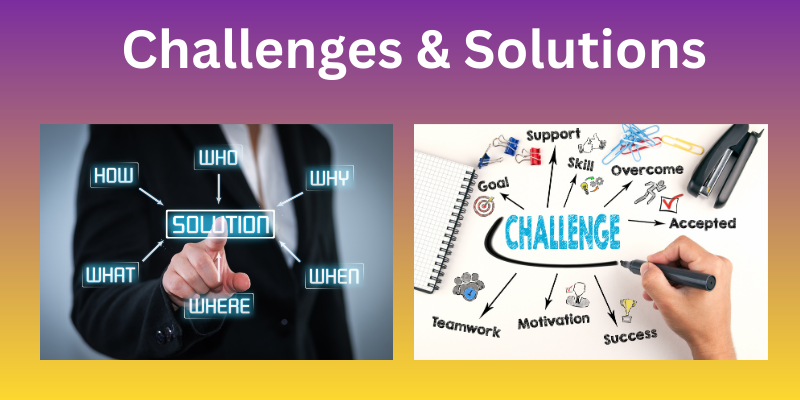
Many businesses face marketing obstacles when they try to grow online. Some struggle with planning, while others face issues during execution. Many teams also deal with optimization challenges when results do not match the effort. With steady steps and a clear strategy, these problems can be managed in a smooth way.
Channel Integration and Consistency
Keeping all channels in sync helps your brand look clean and steady. It makes your message easy to understand, no matter where people see it. When your content works together, your audience feels more trust and stays connected.
- Keep your content aligned across all platforms.
- Use one unified brand voice in every post or message.
- Follow a smooth workflow management plan.
- Make sure every channel supports the same goal.
Budget Management and ROI Optimization
Managing your budget the right way helps you control your costs and use your money wisely. It also helps you spend on ads in a smart way so you get better results. When you watch your numbers closely, you improve your ROI and avoid wasting money.
● Cost control helps you keep spending in check.
● Ad spend management guides where your money should go.
● ROI improvement shows which campaigns give the best value.
Data Privacy, Security, and Ethical Marketing
Data privacy and security keep people safe when they share their information. Brands must be open, respect user consent, and follow rules like GDPR compliance. This builds trust and helps companies work in an honest way. Good ethical standards also protect the brand image.
• Follow strong data protection rules to keep user info safe.
• Use clear consent management so people know what they agree to.
• Stay open and follow ethical standards in every marketing step
Ad Fatigue and Content Saturation
Ad fatigue and content saturation happen when people see the same ads again and again. They stop paying attention, and the message feels boring. Brands must keep the content fresh and relevant to hold interest.
- Use creative refresh to bring new ideas and visuals.
- Keep audience engagement strong with simple and fresh messages.
- Focus on relevance and message optimization to match what people want.
Keeping Up with Algorithm Updates
Search platforms and social media keep changing their systems, and these updates can affect how your content performs. Brands need to stay flexible and update their plans often. Simple checks and steady SEO care help keep your visibility strong.
- Search algorithm changes can shift your ranking.
- Social media updates may affect reach and engagement.
- Regular SEO maintenance helps you stay adaptable.
Measuring Success and Continuous Improvement
Measuring success helps you see what is working well and what is not. You use marketing analytics to check your results in a simple and easy way. With performance tracking, you follow each step of your campaigns. Then you use optimization loops to make small changes and improve your work again and again. This check-and-improve cycle keeps your marketing strong and effective.
Here are some important metrics to calculate success and improvement.
Key Digital Marketing Metrics to Track
These metrics help you see how well your campaigns work. They show if people click, stay, or buy. When you check these numbers, you can make correct decisions and improve your results.
- CTR and impressions show how many people see and click your ads.
- Bounce rate and engagement metrics help you check user interest.
- Conversions, CPA, and CLV guide you in tracking cost, sales, and long-term value.
Using A/B Testing for Smarter Decisions
A/B testing helps you check which version of your content works better. You compare two simple options and see what your audience likes more. This process makes your next step clear and helps you improve results with confidence.
- Use split testing to compare two versions of a page or ad.
- Check the data comparison to see which option gets a better response.
- Focus on test design to get clear results and use the insights for steady improvement
How to Audit and Improve Your Strategy Regularly
A regular strategy audit helps you see what is working well and what is not working. It keeps your plan clear and focused, so you can make better moves. This simple check makes your content stronger and your results steadier.
- Do a strategy audit to see what needs attention.
- Run a gap analysis to spot missing parts in your plan.
- Review your content and compare performance with basic benchmarks.
The Future of Digital Marketing
The future of digital marketing will bring new ways to connect with people and keep brands strong. The latest tools will help teams work faster and make good choices. More trends will shape how businesses talk to their audience and keep them satisfied. Brands that stay open to marketing progress will be ready for change. This thinking will help them stay strong and future-ready in a fast-moving world.
Emerging Technologies Shaping 2026 and Beyond
New tech is changing how brands talk to people online. Tools like AR, VR, the metaverse, and blockchain are giving new ways to show products and build trust. These changes help brands stay ready for the future with simple and smart digital ideas.
- Augmented reality and virtual reality make online shopping feel real.
- The metaverse gives brands a new space to meet and engage with people.
- Blockchain brings safer and more transparent marketing with clear data control.
The Role of AI, AR, and Voice Search in Marketing
AI, AR, and voice tools are changing how people connect with brands. These tools help give quick replies, friendly help, and more personal experiences. They make online journeys smooth because they guide users in a natural and easy way.
- AI personalization gives users content that fulfills their needs.
- Voice assistants support quick voice-based searches and simple actions.
- AR experiences let users try products in a fun and real-feel way.
Sustainability and Ethical Marketing Trends
Brands now try to work in a clean and honest way. They focus on green marketing and choose actions that support people and the planet. This builds trust because customers like companies that care about real values. It also helps brands grow with a purpose.
- Green marketing that supports safe and eco-friendly choices
- Campaigns that show real corporate responsibility
Preparing Your Strategy for What’s Next
Staying ready for the future helps your business stay strong. You set a clear direction and keep space for new ideas. You focus on long-term growth and watch upcoming trends. This approach helps you stay flexible and react in a smart way.
- Adaptability to new changes and shifts
- A simple new roadmap that guides future steps
- Trend forecasting that supports long-term growth
Frequently Asked Questions (FAQs)
The four main elements of digital marketing are SEO, SEM, SMM, and content marketing. Together, they help businesses increase visibility, attract the right audience, and build trust. These elements work across multiple digital channels to drive awareness, engagement, and conversions in a measurable and long-lasting way.
In 2026, the most effective digital marketing channels include paid media, organic search, video, social platforms, and influencer marketing. These channels offer a mix of reach, engagement, and personalization, helping businesses connect with audiences in authentic and meaningful ways across the digital field.
Small businesses can compete with bigger companies through niche marketing. They move fast and use simple local SEO steps. They focus on personal touch and build warm customer bonds. They also use low-cost tools to give a personal experience that big companies often give slowly.
Measuring ROI involves using the ROI formula alongside conversion tracking, customer acquisition cost, and lifetime value metrics. These insights help determine which strategies drive the most revenue and allow marketers to make data-driven adjustments for better performance and profitability.
Success in digital marketing requires a blend of data literacy, creativity, analytics, communication, and technical proficiency. These skills help marketers understand audiences, craft compelling messages, and use technology effectively to deliver measurable and impactful marketing results.
Final Thoughts
Creating a digital marketing strategy isn’t about doing everything – it’s about doing the right things with focus and consistency. Pair creativity with clear goals and data, and your marketing becomes more effective and rewarding.
Start by researching your audience’s needs and defining clear, realistic objectives. Build your strategy with focused actions: optimize your website for SEO by updating keywords, create and share relevant content weekly, engage followers by responding to comments on social media, and schedule regular targeted email campaigns. Test these efforts monthly and use analytics to adjust and improve your tactics. Over time, these specific, consistent actions yield significant, lasting results.
Every strong marketing strategy balances planning, execution, and learning. Stay curious, adapt, and put your audience first. With patience, your digital marketing will grow your brand and create lasting connections.


- Be Respectful
- Stay Relevant
- Stay Positive
- True Feedback
- Encourage Discussion
- Avoid Spamming
- No Fake News
- Don't Copy-Paste
- No Personal Attacks
- Be Respectful
- Stay Relevant
- Stay Positive
- True Feedback
- Encourage Discussion
- Avoid Spamming
- No Fake News
- Don't Copy-Paste
- No Personal Attacks
