Organic vs Paid Social Media Marketing: Key Differences, Benefits, and Use Cases
Published: 27 Jan 2026
Posting every day but seeing low reach can feel confusing. Paying for ads feels risky when results are unclear. Many businesses get stuck between time, budget, and real outcomes.
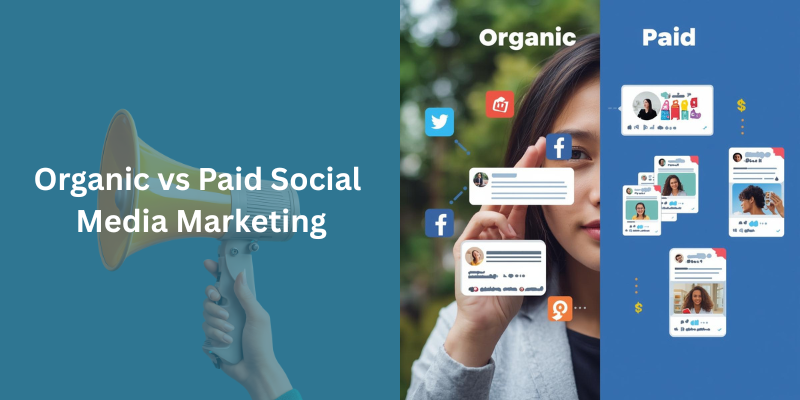
This guide clears that confusion by breaking down organic vs. paid social media marketing in a simple way. We will cover reach, audience targeting, content performance, cost control, and result speed. You will see when each option works best and how to choose the right approach for your goals.
What Is Organic Social Media Marketing?
Organic marketing uses free content to reach people without paid ads. Growth happens over time through regular posting, audience interaction, and content relevance. This method focuses on building trust and long-term visibility rather than quick results.
How Organic Marketing Works
You share posts, videos, and updates on your profiles. People engage through likes, comments, and shares. Platforms then push your content to more users based on engagement and activity signals.
Common Organic Content Types
Common organic content includes feed posts, short videos, stories, polls, and questions. These formats help start conversations and keep audiences active.
Advantages of Organic Social Media Marketing
Organic marketing builds trust with your audience and supports long-term brand value. It does not require ad spend and mainly costs time, effort, and consistency.
Limits of Organic Reach
Organic reach is often slow and limited. Platform algorithms reduce visibility, especially for new pages. Results take patience and regular effort over time.
What Is Paid Social Media Marketing?
Paid marketing uses advertisements to promote content. You pay platforms to show posts to selected users. This method delivers faster results and wider reach compared to organic efforts.
How Paid Campaigns Work
You start by setting a goal and budget. Then you choose audience details such as interests, location, or behavior. Ads run for a fixed time, and performance can be tracked easily.
Popular Paid Ad Formats
Paid campaigns often use image ads, video ads, carousel ads, and lead forms. Each format serves different goals, like awareness, engagement, or lead collection.
Advantages of Paid Social Media Marketing
Paid marketing offers fast visibility and precise targeting. It helps reach the right people and supports short-term business goals like sales, sign-ups, or promotions.
Cost and Budget Control Factors
Ad costs depend on audience size and competition. Platforms allow daily limits, which help control spending and reduce risk when testing campaigns.
Organic vs Paid Social Media Marketing: Core Differences
The following are the core differences between organic and paid social media marketing. To understand both methods in context, read Social Media Marketing: Complete Beginner Guide.
Reach and Visibility
Organic reach grows slowly, while paid reach is instant and wider.
Cost and Time Investment
Organic marketing needs time and consistency, while paid marketing needs budget and planning.
Targeting and Control
Organic targeting is limited, but paid campaigns offer precise control over audience selection.
Speed of Results
Organic results build over months, while paid results can appear in days.
Long-Term vs Short-Term Value
Organic supports long-term presence, while paid focuses on short-term actions.
Benefits of Using Organic and Paid Together
Using both methods creates balance. Organic efforts build trust and engagement, while paid promotion boosts visibility and amplifies strong content.
Brand Growth and Trust
Organic marketing builds trust through regular interaction. Paid campaigns increase exposure and help reach new users faster.
Better Audience Data
Paid ads provide clear performance data. Organic content improves engagement quality and helps understand audience preferences.
Stronger Campaign Performance
Paid promotion works well when boosting high-performing organic posts. Organic interaction supports long-term campaign strength.
When to Use Organic Social Media Marketing
Here are the key points that help you decide when organic social media marketing is the right choice.
Small Businesses and Startups
Organic marketing suits low budgets and helps build early visibility.
Community Building Goals
It supports conversations and keeps audiences engaged.
Long-Term Brand Presence
It helps maintain steady growth and a clear brand voice.
When to Use Paid Social Media Marketing
Below are the main points that help you decide when paid social media marketing is the right choice.
Product Launches
Paid ads create fast awareness and reach new users quickly.
Lead Generation Campaigns
Lead forms collect user details, and results are easy to track.
Competitive Niches
Paid promotion helps brands stand out and gain reach faster.
Which Strategy Is Better for Your Business?
Which strategy is the best? It totally depends on the type of business and your choice. Following are some key points that help you to decide which is the best for your business.
Based on Budget
Low budgets favor organic growth, while flexible budgets allow paid expansion.
Based on Business Goals
Brand trust grows through organic effort, while sales goals benefit from paid ads.
Based on Audience Size
Small audiences grow with organic methods, while large markets often need paid reach.
Common Mistakes to Avoid
Relying on only one method limits growth. Poor targeting wastes budget and effort. Ignoring performance data slows improvement, while tracking helps refine strategy.
Conclusion
So guys, in this article, we’ve covered organic vs. paid social media marketing in detail. Each option serves a different purpose, and I suggest choosing based on your budget, time, and business goals. When used wisely, both can support growth and visibility. Take the next step now by creating a simple plan and applying the method that suits your business stage.
FAQs
Organic marketing uses free posts to reach people over time. Paid marketing uses ads to reach a selected audience quickly. Organic focuses on trust and relationships. Paid focuses on fast visibility and results.
Yes, it still works for many businesses. It helps build brand trust and customer relationships. Results take time and regular effort. It works best for long-term growth.
Paid marketing gives quick reach and traffic. It helps target the right audience using data. Costs stay under control with clear budgets. It works well for sales and promotions.
Organic works well for small budgets. It helps build early online presence and trust. Paid can also help if used in small amounts. Many small businesses use both together.
Yes, they work better when combined. Organic builds trust and engagement. Paid increases reach and speed up results. Together, they support stronger business growth.


- Be Respectful
- Stay Relevant
- Stay Positive
- True Feedback
- Encourage Discussion
- Avoid Spamming
- No Fake News
- Don't Copy-Paste
- No Personal Attacks
- Be Respectful
- Stay Relevant
- Stay Positive
- True Feedback
- Encourage Discussion
- Avoid Spamming
- No Fake News
- Don't Copy-Paste
- No Personal Attacks
